Yoga for Flexibility
1. Downward-Facing Dog (Adho Mukha Svanasana)
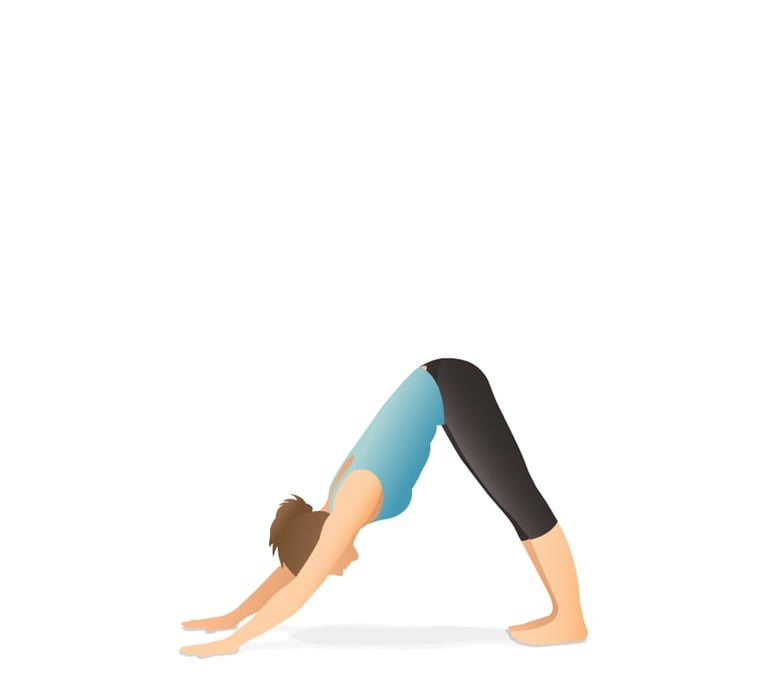
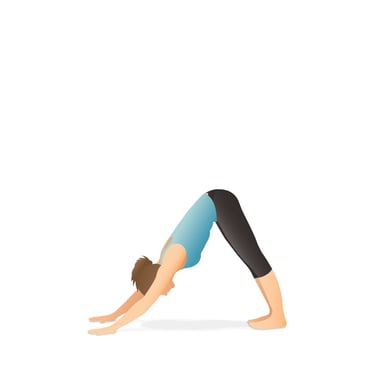
How to do it: Start on your hands and knees. Press your palms into the floor, lift your knees, and push your hips up and back to form an inverted "V" shape.
Flexibility Tip: If your hamstrings are tight, bend your knees as much as you need to. The goal is a long, straight spine, not getting your heels flat on the floor.
Flexibility Benefits: Deeply stretches the hamstrings, calves, and Achilles tendons. It also opens up tight shoulders and un-hunches the upper back.
Functional Benefits: Decompresses the entire spine, relieving lower back tension. Because your head is below your heart, it also boosts blood flow to the brain, leaving you feeling more energized.
2. Seated Forward Bend (Paschimottanasana)
Target Area: Deep hamstring and lower back release.
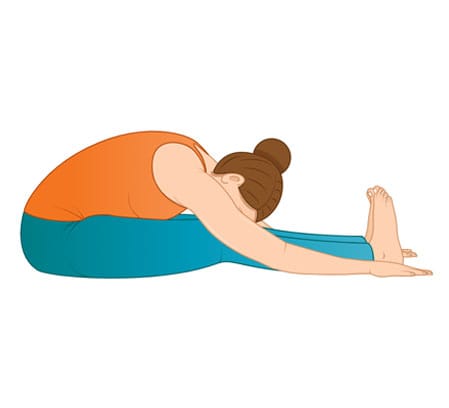
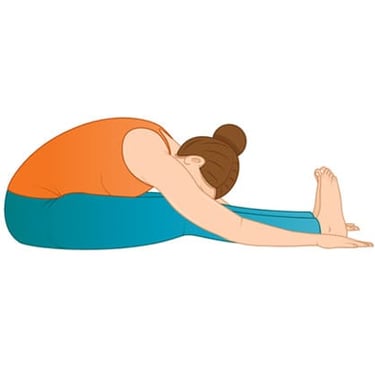
How to do it: Sit with your legs straight out in front of you. Inhale to lengthen your spine, then exhale as you hinge forward from your hips (not your waist) toward your feet.
Flexibility Tip: Avoid rounding your upper back just to reach your toes. Keep your chest open. You can rest your hands on your shins or use a strap around your feet.
Flexibility Benefits: Targets the entire back line of the body, specifically lengthening tight hamstrings and the lower back muscles.
Functional Benefits: This pose is an excellent "reset" for the nervous system. The forward folding motion is deeply introspective and helps lower stress, anxiety, and mental fatigue.
3.Low Lunge (Anjaneyasana)
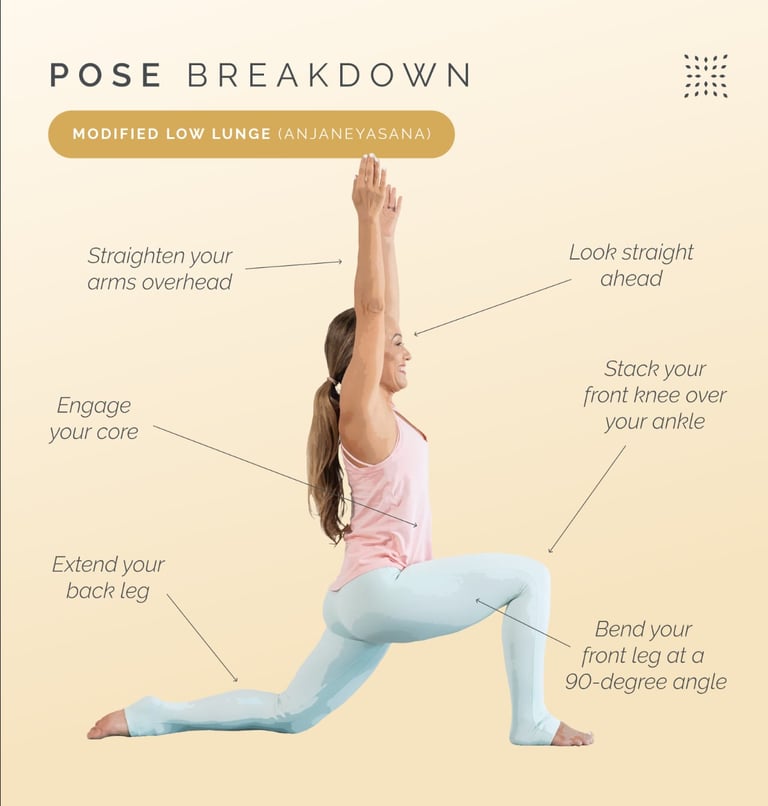
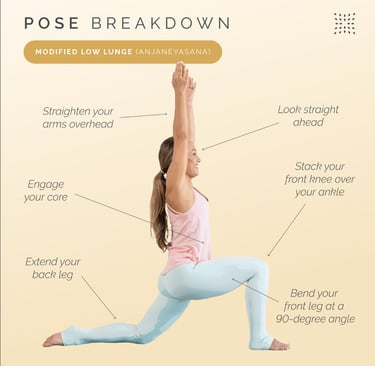
How to do it: From a standing or tabletop position, step one foot forward between your hands. Drop your back knee to the mat and slide it back until you feel a stretch. Sweep your arms up alongside your ears.
Flexibility Tip: Keep your front knee directly over your ankle to protect the joint. Let your hips sink forward and down with each exhale.
Flexibility Benefits: Opens the hip flexors and psoas (the deep muscles that connect your spine to your legs), which get incredibly tight from sitting at a desk or driving.
Functional Benefits: Relieves lower back pain caused by tight hips pulling on the pelvis. It also strengthens the quadriceps and glutes while improving balance.
4. Cobra Pose (Bhujangasana)
Target Area: Chest, shoulders, and spine extension.
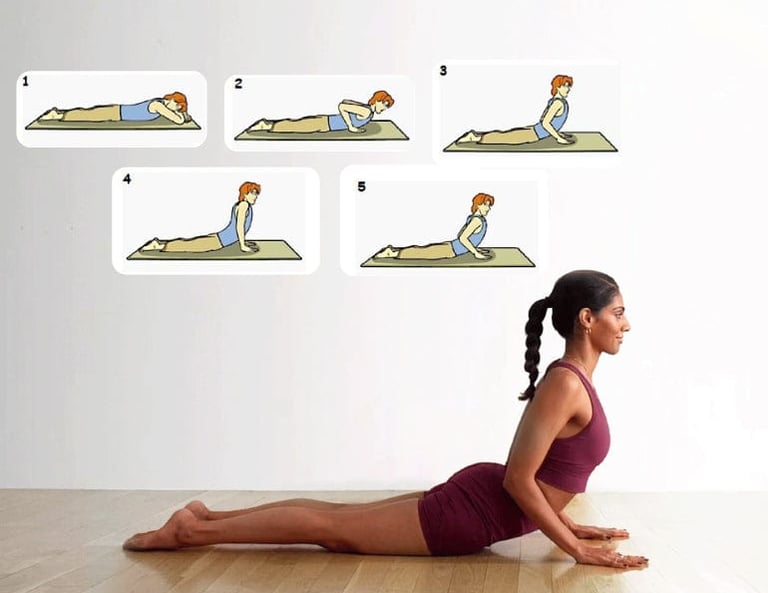
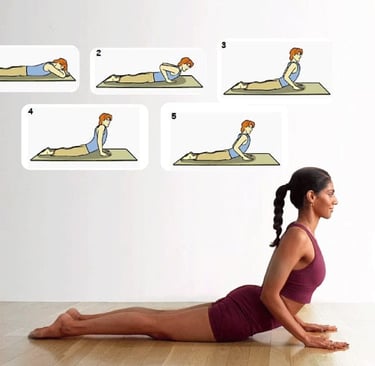
How to do it: Lie face down on your mat with your legs extended behind you. Place your hands under your shoulders, hug your elbows close to your body, and gently lift your chest off the floor using your back muscles.
Flexibility Tip: Don't try to straighten your arms completely if it causes tension in your lower back. Keep a slight bend in the elbows and focus on rolling your shoulders back and down.
Flexibility Benefits: Counters the modern "slouch" by stretching the chest, front shoulders, and abdominal muscles.
Functional Benefits: Strengthens the spinal erectors (the muscles along your spine) and improves posture. It also expands the chest cavity, allowing for deeper, more efficient breathing.
5. Pigeon Pose (Eka Pada Rajakapotasana)
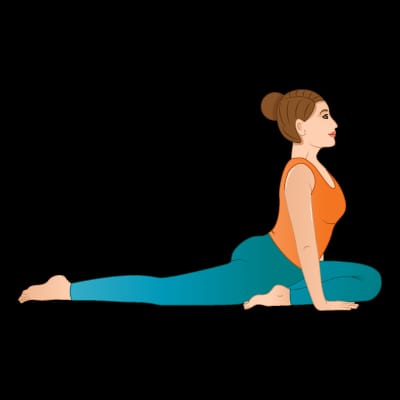
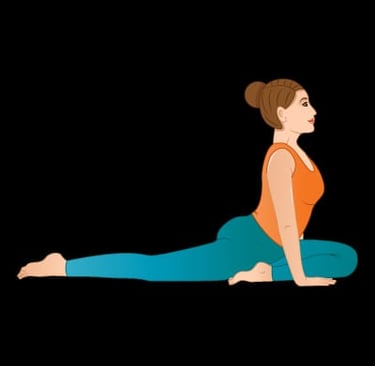
How to do it: From all fours, bring your right knee forward behind your right wrist. Angle your right foot toward your left hip. Slide your left leg straight back behind you. Lower your hips toward the floor and, if it feels comfortable, fold forward over your front leg.
Flexibility Tip: If your hip is hovering high off the ground, slide a block or a folded blanket underneath it for support. This allows your muscles to actually relax into the stretch.
Flexibility Benefits: One of the most effective stretches for the glutes, piriformis, and outer hip rotators.
Functional Benefits: Increases the range of motion in the hip joints, which protects your knees and lower back from strain. Because we tend to store emotional stress and tension in our hips, holding this pose can provide a massive sense of physical and mental release.